
Politics
Shadows Over the Ballot Box: Election Integrity Fears Rise Ahead of 2026 Midterms

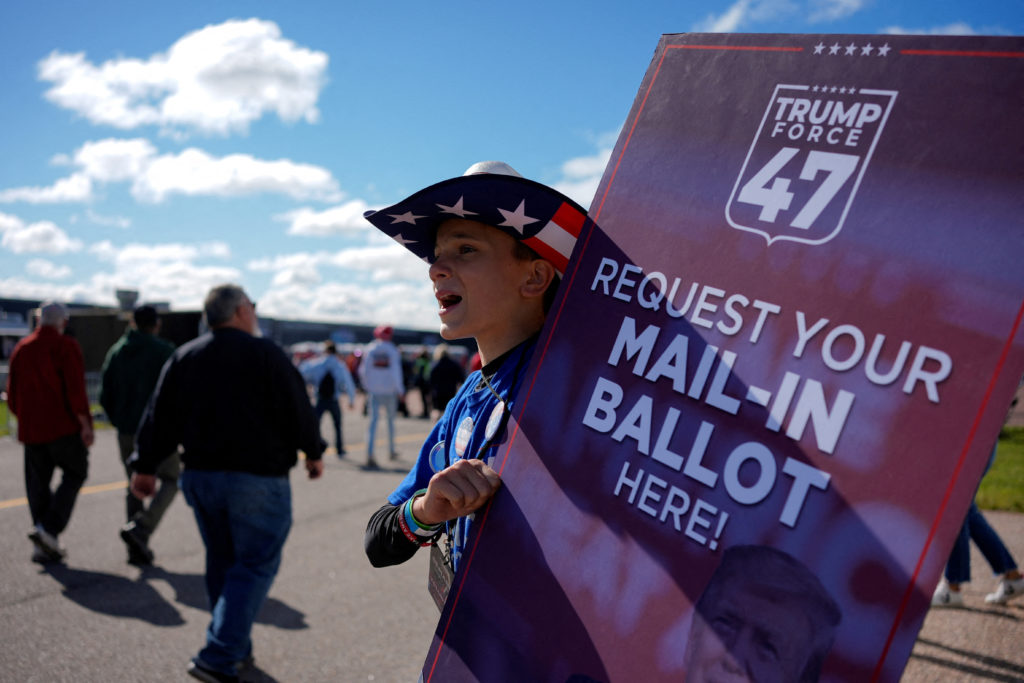
WASHINGTON, D.C. – As the last balloons from the 2024 presidential election are swept away and President Donald Trump settles into his second term, old anxieties are rushing back to center stage. The memory of past election fights hangs over Washington like a storm cloud.
With the 2026 midterm election less than a year away, talk of fraud, federal pressure, and voting machine problems has grown louder, pushing policy debates on tariffs, immigration, and the economy into the background. This time, many leaders say the stakes feel almost existential, not only for control of Congress, but for public confidence in American democracy itself.
On November 3, 2026, all 435 House seats and 35 Senate seats will be on the ballot. Republicans hold a narrow 219-213 edge in the House and a more comfortable 53-47 majority in the Senate. History tilts against the party in power. Since World War II, the president’s party has lost House seats in all but two midterm elections.
Researchers at the Brookings Institution and political scientists at LSE are already warning Republicans about major losses. Some models project a net loss of up to 28 House seats for the GOP, enough to hand Democrats the gavel and choke off much of Trump’s agenda. Underneath those forecasts sits a more troubling story, a growing wave of election integrity battles that could turn 2026 into a drawn-out legal and political fight.
From Trump’s muscular use of executive power to a new surge in voter ID laws and the ongoing suspicion aimed at Dominion voting machines, many experts see the 2026 cycle becoming less about policy and more about whether the election process itself can be trusted.
“We’re heading toward an election where trust is in short supply,” says Derek Tisler, counsel at the Brennan Center for Justice. “And the current administration keeps reaching for tools that chip away at it.”
Trump’s Shadow War: Federal Muscle on State Election Systems
No single figure looms over the 2026 midterms more than Trump. His return to the Oval Office has fueled a sweeping federal push against what the White House calls election weaknesses. In March 2025, Trump signed an executive order instructing Attorney General Pam Bondi to apply “election integrity laws” with far greater force. The order included demands for detailed voter roll data from at least 19 states.
The Justice Department’s Civil Rights Division, now led by longtime Trump ally Harmeet Dhillon, has followed through with a wave of subpoenas. The department has demanded registration records from Democratic strongholds such as California and New Jersey, pointing to supposed noncitizen voting. Courts and researchers have repeatedly rejected those claims as exaggerated or false, but the investigations continue.
Critics call the effort political pressure dressed up as oversight. Maine Secretary of State Shenna Bellows, a Democrat now running for governor, says the administration is targeting those who run elections instead of protecting the people who vote.
“The federal government is going after election officials, not guarding voters,” Bellows told Politico. “We know how to run secure elections, but that works only if states stay in charge.”
Her warning mirrors a broader concern among those on the front lines. A 2025 survey from the Brennan Center reported that 59% of local election officials fear political interference. About 21% said they are unlikely to stay in their jobs through 2026 because of threats, stress, or plans to leave.
New appointees in key posts have deepened those worries. Heather Honey, a Pennsylvania activist who spread false claims of fraud after the 2020 election, is now deputy assistant secretary for election integrity at the Department of Homeland Security. Marci McCarthy, the former DeKalb County, Georgia, GOP chair who filed suit over alleged voting machine problems, now serves as a spokesperson for CISA, the cybersecurity agency once seen as a firewall against foreign election meddling.
Axios reported in June 2025 that about one-third of the U.S. cyber workforce has left federal service since Trump returned to office. That loss of talent has hollowed out defenses just as Russian and Chinese hackers probe for fresh vulnerabilities.
Trump’s decision to pardon Rudy Giuliani and other 2020 election deniers also sends a strong signal. Many analysts read it as a green light for those same figures to move into roles as poll watchers and election challengers in 2026.
In October 2025, DOJ observers appeared at special elections in California and New Jersey. Governor Gavin Newsom blasted the move as a “preview of 2026,” calling it a trial run for efforts to contest Democratic wins in newly drawn districts, including those reshaped under California’s Proposition 50.
Samantha Tarazi of the Voting Rights Lab warns that the country could face what she calls a full-scale federal effort to control the process, from overhauling citizenship databases to positioning National Guard units in precincts labeled as “disputed.” Minnesota Secretary of State Steve Simon compares the level of preparation needed for emergency planning for a major hurricane.
Supporters of the administration’s approach tell a different story. White House spokesman Harrison Fields calls the steps “commonsense safeguards” that strengthen confidence. Yet Trump’s August 2025 promise to “end mail-in ballots” through executive action, blocked so far by the courts, blurs the line between protection and suppression.
One Republican strategist, speaking anonymously to CNN, put it this way: “This is about winning, not whining, but voters might turn on us if the whole thing looks like sour grapes.”
Voter ID’s Big Moment: Security Measure or Turnout Trap?
While the federal government escalates its actions, many states are tightening voter ID rules that could shape who actually casts a ballot in 2026. By August 2025, 36 states had some form of voter ID requirement for in-person voting, up from 28 in 2020.
Since then, eight states have passed new laws: Arkansas, Idaho, Missouri, Montana, Nebraska, North Carolina, Ohio, and Wyoming. Together, those changes affect about 29 million adults. The impact will be felt especially in battleground states such as North Carolina, where a 2023 law requiring photo ID took effect in 2024.
Supporters celebrate these measures as common-sense guardrails against fraud. “Clean voter rolls and basic safeguards are key to fair elections,” Dhillon said in a statement in July 2025. Louisiana passed a 2024 law that took effect in January 2025 and now requires proof of citizenship documents to complete state registration forms, a standard that lawmakers in 47 other states echoed in bills introduced in 2025. Nebraska’s LB 514 law forces mail-in voters who lack a state ID to send in copies of photo identification, a step that can be hard for older and rural voters.
The evidence of large-scale fraud remains thin. A June 2024 Brennan Center report estimated that about 21.3 million eligible voters, or 9%, lack easy access to citizenship documents. The study found that these burdens fall more heavily on voters of color and low-income communities.
Scholars at Harvard calculated that the cost of gathering the paperwork often exceeds $12 per person, roughly the same as the poll tax banned by the 24th Amendment and civil rights laws in the 1960s.
At the same time, recent elections complicate the narrative. In 2024, Kamala Harris carried six states that require voter ID, undercutting blanket claims that such laws always favor Republicans. Reuters fact checks have pointed out that ID rules can cut both ways, depending on how they are written and enforced.
Looking ahead to 2026, the federal SAVE Act hangs in the background. The House passed the bill in July 2024, but it stalled in the Senate. The proposal would require Real ID-level proof of citizenship for voter registration in federal elections. With Trump’s Justice Department carrying out its own citizenship checks and investigations, Democrats warn of what Tarazi calls a “death by a thousand cuts” approach that slowly narrows the electorate.
Mindy Romero of USC says the impact of these laws goes beyond who has an ID card. She points to longer lines at polling places, more provisional ballots that may not be counted, and lower turnout in busy urban precincts. Even small shifts in participation could decide tight races, from a Pennsylvania Senate contest to close House districts in Virginia.
Yet not all the data cuts against these laws. In North Carolina, the photo ID requirement survived court challenges and now appears to have boosted Republican votes in lower-turnout elections, according to figures compiled by NCSL. And with about 98% of votes in 2024 backed by paper records, proponents say ID rules paired with audits can strengthen confidence among skeptical voters.
Dominion’s Ghost: Machines, Myths, and a High-Profile Makeover
No brand name in voting technology stirs more emotion than Dominion Voting Systems. The company, founded in Canada, provided machines in 27 states in 2024 and counted billions of ballots without any confirmed evidence of fraud. Even so, false claims from 2020 that Dominion machines “flipped” votes from Trump to Biden have lived on in political circles and online.
Those conspiracy theories carried a real price. In 2023, Fox News agreed to pay Dominion $787 million to settle a defamation suit over false statements about the company. Newsmax followed in August 2025, settling for $67 million.
The story took a new turn in October 2025, when Dominion was sold to Liberty Vote, a company led by former Missouri Republican official Scott Leiendecker of KnowInk. Liberty has promised a “top-to-bottom review” of existing equipment and pledged to “rebuild or retire” any hardware seen as vulnerable before the midterms.
In Colorado, where Dominion is headquartered and serves 60 counties, several local officials welcomed the change. Boulder County Clerk Molly Fitzpatrick called the sale an opportunity to reset public perception. “These are the same machines, but people may feel different with a new company name,” she said.
Doubts remain strong in other places. Georgia has continued to use Dominion machines that have not received full software updates since 2023, when researcher J. Alex Halderman showed in court filings how someone with access could alter votes using tools as simple as a USB drive. Secretary of State Brad Raffensperger has dismissed those scenarios as “theoretical,” but the real-world breach in Coffee County in 2021, where Trump allies gained unauthorized access to voting systems, showed that physical security can fail.
Michigan had its own headache in October 2024. A glitch with the VAT system there forced voters who chose a straight-party ticket to manually re-select certain candidates. The issue did not alter vote totals, but the confusing experience fueled viral rumors of “vote switching,” even after officials explained that the problem involved the ballot interface, not the count.
Elon Musk and a wave of MAGA-aligned influencers intensified those worries on X, calling for state officials to ditch Dominion and similar systems outright. They pushed those demands even though about 98% of ballots now generate a paper record that independent audits can review. In Puerto Rico, reports of machine problems sparked a formal review of contracts with voting vendors.
For 2026, Liberty Vote’s leadership and Republican roots create a complicated picture. Some conservatives say it helps them trust the machines more. Many Democrats argue the opposite and see the sale as a partisan takeover. As one NPR analysis put it, marketing changes cannot erase conspiracy theories when layers of audits have already confirmed accurate results.
Midterm Outlook: House on a Knife Edge, Senate Less Likely to Flip
Early forecasts lean toward a Democratic gain. A November 2025 YouGov poll gave Democrats a 46% to 40% lead on the generic House ballot, with 41% of respondents saying they expect Democrats to win a House majority. Economic models published by The Conversation project that slowing growth, which many voters blame on Republican policy, could cost the GOP about 28 House seats.
Political scientists Tien and Lewis-Beck at LSE reach similar conclusions. Their work ties expected Republican losses to Trump’s job approval numbers, which have dipped below 45% in most national surveys.
The Senate map looks more stubborn. Democrats defend seats in Maine and North Carolina, while Republicans are on defense in Iowa and Texas. Even a strong Democratic wave might only be enough to shift a seat or two. Simulations from Race to the WH suggest Democrats could flip the House with three or four tight wins, while the Senate likely ends in a narrow split, with either party holding a slim edge.
Plenty of wildcards could scramble these predictions. Government shutdowns, new abortion battles, or a foreign crisis could change turnout patterns and voter mood in a hurry. Redistricting lawsuits in states such as Texas and Ohio, flagged by Brookings analysts, may alter the map yet again. Trump’s comments about using the military at the border and in domestic protests hang in the background as well.
Protecting the Vote: A Shared Responsibility, Whether Washington Acts or Not
Election threats now come from many directions, from bomb threats to deepfake videos to organized harassment of poll workers. Some states have not waited for Washington to act. Colorado has made risk-limiting audits standard practice, following a model laid out in a joint Brennan Center and R Street report. These audits check a sample of ballots against machine counts to confirm accuracy.
The Election Assistance Commission’s budget for fiscal year 2026 shifts more money toward transparency tools and public-facing information, though it does not include new, large grants to states. Advocates across party lines say that is not enough.
Former Philadelphia City Commissioner Al Schmidt, a Republican, has pushed for more consistent funding and training. “If officials put in the work now, they avoid disaster later,” he says. “Waiting until something breaks is a bad plan.”
With Trump’s political machine in full swing and partisan suspicion running hot, the 2026 midterms will test how much stress the system can handle. The country heard nonstop claims in 2020 that it had just held the “most secure election” in history. The coming cycle will show whether that level of confidence can hold, or whether new fights over rules, machines, and federal power break it apart again.
As Tisler puts it, “Voters will forgive leaders who prepare. They won’t forgive leaders who freeze.” In a capital already bracing for the next storm, that may be the only outcome both parties truly fear.
Related News:
Far Left Socialist Democrats Have Taken Control of the Entire Party


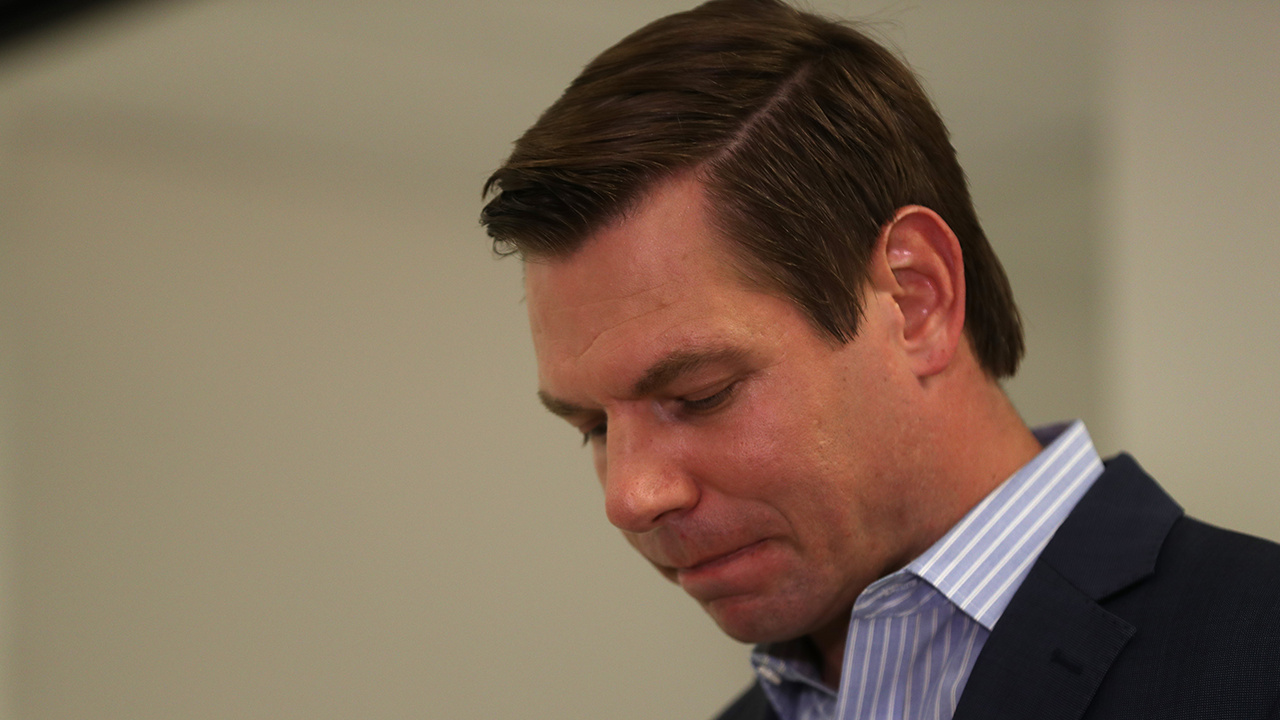
SACRAMENTO – The race for California’s next governor took a seismic shift Friday as Representative Eric Swalwell’s campaign plummeted into chaos. Two separate investigative reports have surfaced detailing serious allegations of sexual assault and professional misconduct, leading to a mass exodus of campaign staff and a chorus of voices demanding his immediate withdrawal from the contest.
By Friday afternoon, what began as a promising bid to lead the nation’s most populous state appeared to be on the verge of total collapse.
The crisis began with a series of investigative reports published late Thursday and early Friday morning. The reports include testimony from former aides and acquaintances who allege a pattern of inappropriate behavior spanning several years.
One report details an incident of alleged sexual assault involving a former campaign volunteer during a 2022 fundraising event. A second report outlines multiple accounts of “predatory” professional misconduct, with several women describing an environment where career advancement was allegedly tied to personal favors.
While the Congressman has long been a fixture in national politics—known for his frequent cable news appearances and high-profile role in impeachment proceedings—these new allegations have created a political firestorm that transcends his usual partisan battles.
Eric Swalwell’s Campaign in Freefall
The internal reaction to the news was swift and devastating. By Friday morning, at least six senior staffers, including his campaign manager and communications director, had tendered their resignations.
In a joint statement, several departing aides expressed their inability to continue their work:
“We joined this campaign because we believed in a vision for California’s future. However, the nature of the allegations brought to light today is inconsistent with the values we hold. We can no longer, in good conscience, represent this candidacy.”
The loss of top-tier talent leaves the Swalwell operation without a functional leadership structure at a critical juncture in the primary cycle.
The political fallout has not been limited to internal staff. In California, where the Democratic Party holds a supermajority, the “blue wall” of support for Swalwell is rapidly crumbling.
Calls for Withdrawal
- Prominent Allies: Several high-ranking members of the California Democratic delegation, who had previously endorsed Swalwell, issued a “wait-and-see” stance earlier in the day before eventually calling for him to step aside to “allow the party to heal.”
- Gubernatorial Rivals: Rival candidates were more direct. State Senator Aisha Wahab and Lieutenant Governor Eleni Kounalakis both issued statements Friday suggesting that the allegations make Swalwell’s continued presence in the race a “distraction” from the needs of Californians.
- Advocacy Groups: Women’s rights organizations and political action committees that typically support Democratic candidates have frozen their funding and called for an independent investigation.
Swalwell’s Response
Representative Swalwell’s office released a brief, defiant statement Friday afternoon. In it, the Congressman denied the most severe allegations, calling them “politically motivated attacks” intended to derail his momentum.
“I have spent my career fighting for justice and the rule of law,” the statement read. “I am deeply saddened by the departure of my staff, but I intend to stay in this race and allow the facts to come out. I ask for the public to reserve judgment until the full story is told.”
Despite the defiance, political analysts suggest the path forward is nearly non-existent. With no campaign infrastructure and a rapidly evaporating donor base, the logistics of a statewide run become nearly impossible.
The 2026 California Gubernatorial race is already one of the most expensive and watched contests in the country. With Governor Gavin Newsom termed out, the field is crowded with ambitious Democrats.
If Swalwell exits the race, it would trigger a massive realignment of endorsements and campaign contributions. Political strategist Marcus Thorne noted that the “Swalwell lane”—which focused on gun control and tech-forward policy—is now wide open.
“This isn’t just about one man anymore,” Thorne said. “This is about the integrity of the Democratic primary. If he stays in, he risks dragging the entire party down with him in a year where every vote counts.”
The coming days will be decisive. California’s filing deadlines are approaching, and the pressure from the Democratic National Committee (DNC) is reportedly intensifying behind the scenes.
For now, the Congressman remains in the race, but he finds himself increasingly isolated on a political island. As the sun set over the State Capitol on Friday, the question among Sacramento insiders was no longer if Swalwell would exit, but when.
Key Takeaways from the Friday Crisis:
- Two Investigative Reports: Allegations include sexual assault and workplace misconduct.
- Mass Resignations: Key leadership, including the Campaign Manager, has quit.
- Bipartisan Pressure: Both allies and rivals are demanding he end his bid for Governor.
- Political Vacuum: A Swalwell exit would shift millions of dollars in potential donations to other candidates.
The scandal marks a stunning turn for a politician who once sought the Presidency and has been a leading voice in the House of Representatives. In the fast-moving world of California politics, the next 72 hours will likely determine if Eric Swalwell’s political career can survive or if this is the final chapter.
Related News:
Major Lawsuit Questions Eric Swalwell’s California Governor Eligibility
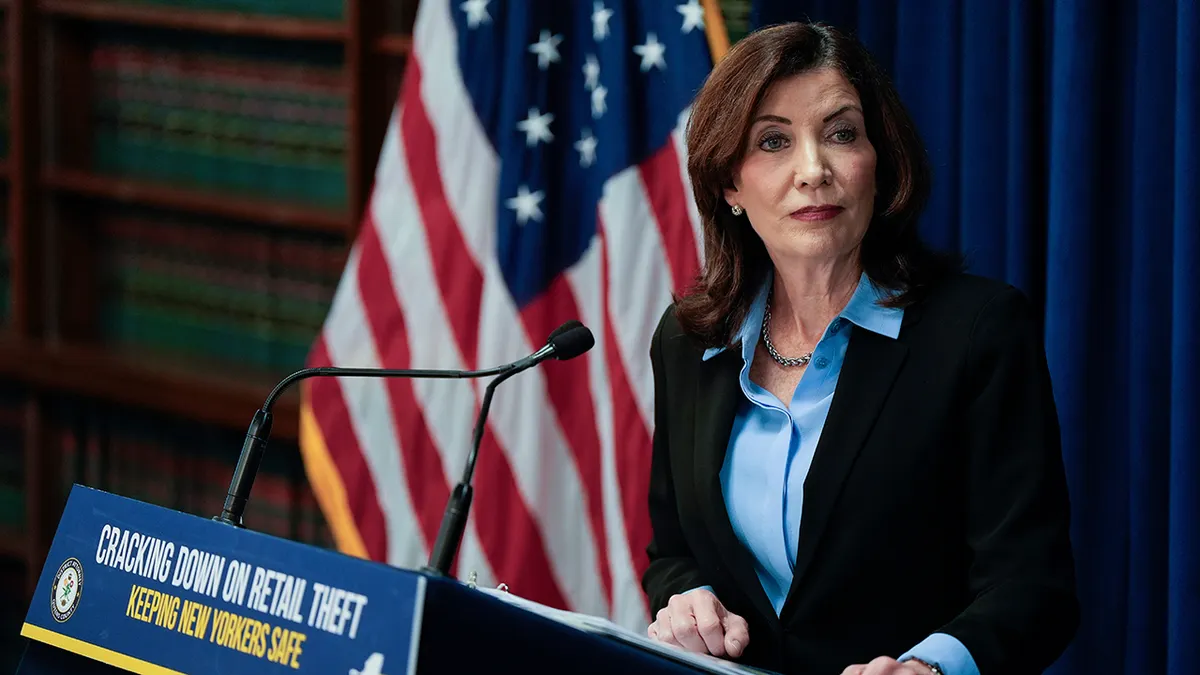
NEW YORK – Governor Kathy Hochul faces criticism from both sides of the aisle. She recently urged wealthy people who fled the state to come back. However, folks still remember her 2022 campaign remarks. Back then, she told opponents to grab a bus ticket to Florida.
This change fuels charges of inconsistency. It also spotlights New York’s shrinking tax base. The state struggles to fund its big social programs as a result.
At a Politico event this month, Hochul discussed state finances. She rejected New York City Mayor Zohran Mamdani’s push for higher taxes on the rich. Instead, she stressed the need to keep or attract high earners.
“We need high-net-worth people to back our generous social programs,” she said. Some patriotic millionaires already pay extra, she noted. Then she added a key point. “First, let’s head to Palm Beach and convince some to return home. Our tax base has shrunk too much.”
Hochul admitted that other states offer lower taxes for people and businesses. Data backs this up. Many rich New Yorkers have moved to Florida, Texas, and similar spots in recent years.
Critics point to her words from four years ago. Hochul campaigned against Republican Lee Zeldin. She aimed barbs at Donald Trump and Dutchess County Executive Marc Molinaro.
“Trump, Zeldin, and Molinaro should jump on a bus to Florida where you fit. Get out of town. You don’t match our values,” she declared.
Now, people say those comments pushed conservatives and tax-weary wealthy folks to leave. Many packed up for warmer, cheaper states. Social media lights up with side-by-side videos of her old rant and new appeal. Commentators call it desperate or a total reversal. Budget woes drive the shift, they claim.
New York’s Tax Base Challenges
The state counts on top earners for most income tax revenue. A few percent of residents cover a huge chunk. When they go, schools, health care, transit, and services suffer big losses.
IRS data shows an outflow of rich people and workers. Palm Beach County in Florida draws a lot of that wealth.
Hochul’s camp highlights New York’s strengths in finance, tech, culture, and business. Still, they recognize the competition. Florida’s no-income-tax policy and lower living costs pull people away.
Several factors fuel this exodus, reports show. High income taxes lead the pack since New York tops national rates. Housing, utilities, and daily costs stay sky-high, especially near the city. Remote work after COVID lets pros relocate easily. Policy clashes over crime, schools, and rules send some packing. Plus, many skipped town during pandemic lockdowns and stayed gone.
Reactions Roll In from New Yorkers
Responses hit fast and hard. Nassau County Executive Bruce Blakeman, a Republican running for governor, dubbed it Hochul’s most honest moment. He mocked the pitch to swap Palm Beach sunshine, no state tax, and calm for New York’s issues. Cut taxes and costs instead of pleading, he advised.
Conservatives and business leaders agree. They push for tax cuts, fewer rules, and safer streets to compete. Appeals to patriotic millionaires won’t cut it, they say.
Some Democrats back her, though. They view it as facing facts. A wide tax base funds key services without slamming one group. The state offers incentives to lure businesses and people, they add. Online, memes mock the flip. “Come back, we need your tax money” pops up everywhere.
Bigger Picture: Blue State Exodus
New York isn’t unique. California and Illinois lose residents and firms to low-tax red states, too. This trend stirs national debates. Experts warn of a downward spiral. Fewer taxpayers force rate hikes. That chases away more people.
Hochul resists broad tax hikes on the rich during budget battles. She wants the state to stay competitive. Yet progressives like Mamdani demand more from top earners. Her words seek balance. Keep taxes fair and draw back high earners. With re-election looming, this topic matters. Voters watch budget moves, the economy, and daily life.
Tax-cut fans urge affordable homes, safe streets, cheap energy, and pro-business rules. Left-leaning critics want steeper taxes on the rich and bigger social spending.
Regular New Yorkers ask why people left and what pulls them back for good. Hochul reopened that talk publicly. Her Palm Beach plea may fall flat without policy fixes. Reactions so far scream too late. The next months will show if migration reverses or wealth keeps flowing out. Her mixed signals leave some confused and others mad.
Trending News:
Who Is Leading the Democratic Party in 2026?
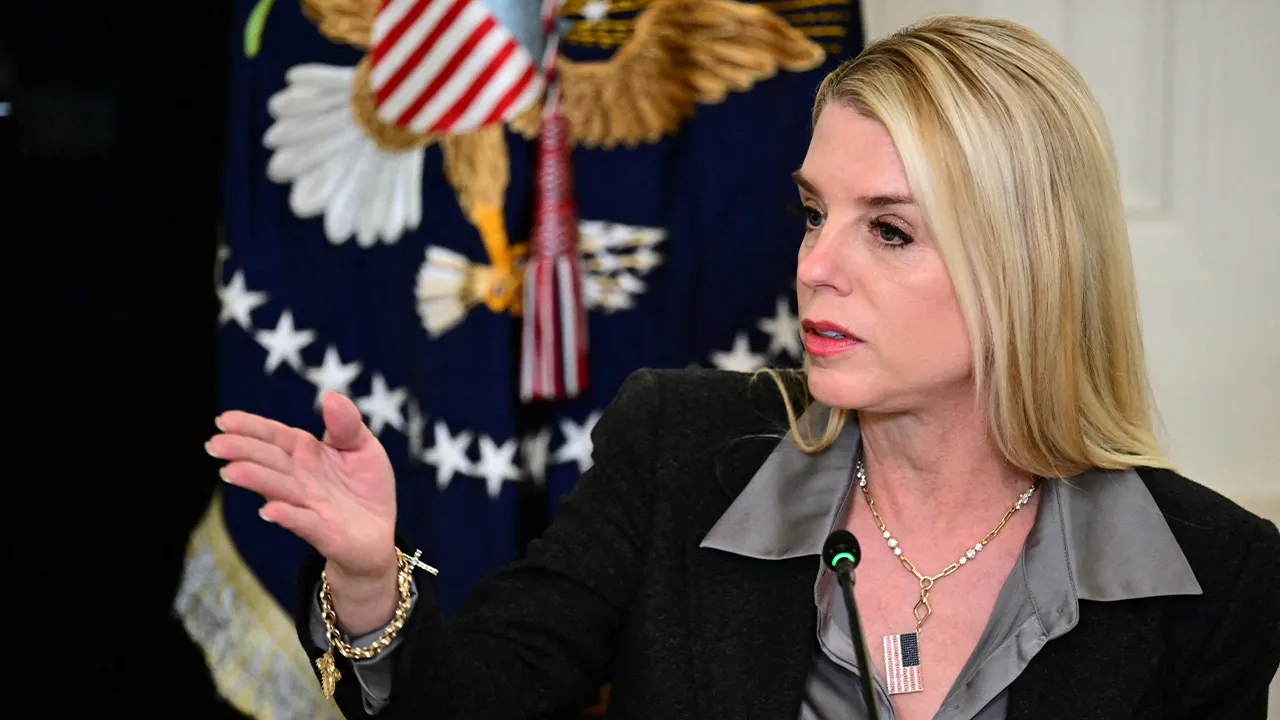
WASHINGTON, D.C. – President Donald Trump shocked the Justice Department on Thursday. He fired Pam Bondi as U.S. Attorney General. Her deputy, Todd Blanche, steps in right away as acting attorney general.
Trump posted the news on Truth Social. He called Bondi a great American patriot. She now heads to a key private-sector job. Trump praised Blanche as a talented legal expert. This switch follows weeks of backlash against Bondi’s leadership. People questioned her work on big cases.
Bondi served about a year as attorney general. She started in early 2025. The Senate confirmed her on strict party lines.
Both parties criticized her during that time. Some said she chased politically driven cases. Others doubted the handling of the Jeffrey Epstein files. Epstein, the convicted sex offender, still draws huge attention.
Lawmakers from both sides accused her team of delaying sensitive papers. They wanted more openness. Bipartisan pressure built up.
Bondi fought back in statements. She highlighted fraud fights and immigration work. Reports show Trump talked with advisors for days about a change. Bondi knew about those chats.
In her statement, Bondi said she felt proud to serve. She plans a smooth handover with Blanche over the next month. She looks forward to her private job. There, she will keep backing Trump’s goals.
Meet Todd Blanche: Trump’s Pick for Acting AG
Todd Blanche, age 51, has a solid legal background. He began as a federal prosecutor in New York City’s Southern District. For almost 10 years, he tackled violent crimes, fraud, and corruption.
Later, he joined private practice at Cadwalader, Wickersham & Taft as a partner. He handled investigations and defenses. His clients included Paul Manafort and Rudy Giuliani. Most importantly, he defended Donald Trump.
Blanche led Trump’s team in the New York hush-money case with Stormy Daniels. He also worked on the 2020 election issues and the classified documents matter.
Trump trusted him after that close teamwork. Post-2024 election, Trump picked him as deputy attorney general. The Senate approved him 52-46 in March 2025.
As deputy, Blanche ran daily operations. That covers the FBI, DEA, ATF, and U.S. Marshals. He even acted as the librarian of Congress briefly. This firing marks the second major cabinet exit lately. Other spots in the administration faced shake-ups, too.
Friction points included several issues. First, the Epstein files stirred trouble. People questioned the release timing and fullness. That led to favoritism claims.
Next, some saw aggressive pursuits against Trump’s foes. In addition, internal fights over staff, focus, and messages grew. Trump stressed loyalty and outcomes in his post. He thanked Bondi. He showed faith in Blanche’s skills. Blanche replied fast on social media. He thanked Bondi for leadership and friendship. He also thanked Trump for the chance.
How Parties Responded
Democrats hit back hard. Senate Minority Leader Chuck Schumer worried about Blanche’s Trump lawyer’s past. They fear it mixes loyalty with fair justice. Some noted his Ghislaine Maxwell interview. Maxwell is linked to Epstein. Critics called it wrong, but transcripts showed no formal deal.
Republicans backed the move. They praised Bondi’s crime and border work. They view Blanche as a steady prosecutor who gets Trump’s plans. Experts note acting AGs often fill in short-term. The White House hunts for a Senate-approved permanent pick. EPA head Lee Zeldin pops up in talks.
The department has over 115,000 staff. It covers security and rights protection. Top changes hit morale, probes, and policies. Blanche promises steady work in key spots. He talks up fraud battles, police support, and trust-building lately.
Fans like his prosecutor-defense mix for balance. Critics worry Trump ties mean more politics. For now, he handles the switch. He juggles big cases while they pick a long-term boss.
Trump might nominate Blanche full-time. Sources say he considers other loyal conservatives, too. Any pick needs Senate okay. Republicans hold a slim edge. Hearings could spark fights over independence. Bondi’s leave prompts oversight vows. Both parties plan checks, maybe testimony on old calls.
Trump ousted Pam Bondi after 14 months. Todd Blanche, his ex-lawyer and deputy, takes the acting AG role. Criticism over the Epstein files and more drove it. Bondi heads private; she sees it as an honor.
Todd Blanche offers New York prosecution chops and private know-how. Parties split: loyalty vs. fairness worries. It fits recent staff shifts. Blanche now guides Justice amid heat. Watch how he handles probes and politics.
Related News:
Democrat Mayors Reject Trump’s Help as Crime Explodes in Blue Cities


US-China Tensions Reach Boiling Point Over Hormuz Blockade

Victory for Trump as Appeals Court Shuts Down Boasberg

China Upset Over Hormuz Blockade As Oils Supply-Line Cut

New York City Prepares to Ban Amazon’s Logistics Model

Breaking!! Eric Swalwell Resigns From Congress Amid Mounting Sex Allegations

Trump Warns China as Vance Leads Peace Talks with Iran

Blue States Now Weighing ‘Exit Tax’ on Fleeing Residents

Eric Swalwell Faces Explosive Rape Accusation From Former Staffer

Moon Mission Success: Artemis II Crew Splashes Down Safely in the Pacific

New Allegations Link Ilhan Omar to China-Backed NGO in CUBA

Thai Billionaire Charged With Lese Majeste Over Facebook Post

Russia Bans Facebook, Meta Says It’ll Do “Everything” To Restore Service

Facebook Login Feature – Clash of Clans

4 Things you can do to take your Facebook Lead Generation to the Next Level

Zuckerberg to Allow Violent Speech on Russia After Facebook Blocked

Facebook Loses $200 Billion as Users Shift to TikTok

Downloading Facebook Videos Anonymously with High Quality Video through Snapsave app

The Best Site to Buy Real Facebook Likes and Followers in 2022

Chinese Man Arrested for Using Facebook to Dupe Cryptocurrency Investor

Google and Facebook Under Huge Pressure Over User Privacy

President Trump Addresses Nation on War with Iran

Trump Warns NATO Allies: America Won’t Protect Slackers After Iran Clash

Senate Hearing on Fraud and Foreign Influence Turns Tense Over Minnesota Scandals

CNN Forced to Backtrack Its Reporting on Trump’s Iran Talks

Joe Rogan Slams Gavin Newsom for Mocking Nick Shirley

Mosque Set Ablaze in Iran a Citizens Revolt Against the Islamic Regime

AOC Accuses Jessie Watters of Fox News of Sexualizing and Harassing Her

JD Vance Exposes Walz’s Fraud and CNN’s Lies in White House Presser

Milestone Card Credit: How the Milestone MasterCard Can Transform Credit
-

 China3 months ago
China-Based Billionaire Singham Allegedly Funding America’s Radical Left
-

 Politics2 months ago
CNN Delivers Stark Reality Check to Democrats Over Voter ID
-
 Politics2 months ago
Ilhan Omar’s Connections to Convicted Somali Fraudsters Surface
-

 Politics3 months ago
President Trump Addresses ICE Actions Amid Minnesota Unrest
-

 News3 months ago
Former CNN Anchor Don Lemon Facing Charges Under Ku Klux Klan Act
-

 News3 months ago
Erika Kirk’s Early EMP Documentary Fuels CIA Grooming Rumors
-

 Entertainment2 months ago
CNN Admits Melania Documentary is HUGE Box Office Success
-
 Business3 months ago
Tesla’s Strategic Retreat From California Due to Red Tape, Costs, and Taxes